Bridging Design Intent and Regulatory Requirements in Exterior Cladding Specification
When you embark on specifying exterior cladding for your next project, you are tasked with balancing the bold aspirations of architectural design with the rigorous demands of Canadian building regulations. The evolving landscape of cladding systems for architects requires not only a keen understanding of aesthetic possibilities but also a mastery of building code compliance. Your role as a spec writer, architect, or institution owner is pivotal—each material choice and detail must align with your design vision while ensuring long-term performance and regulatory approval across provinces such as Ontario, British Columbia, Alberta, and beyond.
With increasing emphasis on sustainability, energy efficiency, and occupant safety, the process of exterior cladding specification has become more complex. The right approach enables you to realize striking facades that stand the test of time and scrutiny. Let’s explore how you can confidently specify cladding systems that satisfy both creative ambitions and the nuances of Canadian building regulations.
Understanding the Foundations of Exterior Cladding Specification
Before you begin selecting materials or drafting details, it is essential to define your project’s priorities. Are you seeking a rainscreen system that maximizes energy performance? Do you need a façade that expresses a unique design language? Or is durability in a harsh climate your primary concern? Clarifying these objectives at the outset guides your decisions and ensures that your cladding system will meet stakeholder expectations and regulatory standards.
Exterior cladding specification involves a careful evaluation of:
- Material properties, including thermal performance, fire resistance, and weatherability
- Compatibility with structural substrates and adjacent assemblies
- System constructability and installation requirements
- Maintenance considerations and lifecycle costs
- Compliance with local and national building codes
By methodically addressing these criteria, you lay the groundwork for a specification that is robust, defensible, and aligned with your project’s intent.
Navigating Canadian Building Regulations: What You Need to Know
Achieving building code compliance is non-negotiable. Each province in Canada may adopt or modify the National Building Code of Canada (NBCC) to address regional climate, seismic, and safety concerns. As you specify exterior cladding, it is essential to reference the latest code editions and understand how they apply to your project’s location and occupancy type.
Key considerations for code-compliant cladding systems include:
- Fire Performance: Cladding assemblies must meet stringent fire resistance and flame spread requirements, especially for mid-rise and high-rise buildings.
- Thermal Performance: Prescriptive and performance-based paths in the code dictate minimum insulation values and requirements for continuous insulation to reduce thermal bridging.
- Moisture Management: Rainscreen principles are widely mandated, particularly in coastal and high-precipitation regions, to ensure effective drainage and ventilation behind cladding panels.
- Structural Considerations: Wind load resistance, seismic movement accommodation, and attachment methods must be verified through engineering analysis and testing.
Staying current with amendments and local interpretations of Canadian building regulations is vital. Engaging with code consultants and product manufacturers early in the design phase helps you anticipate potential challenges and streamline the approval process.
Aligning Cladding Systems with Architectural Design Solutions
Exterior cladding is both the protective skin and the visual identity of your building. The specification process should empower you to realize your creative vision without compromising on performance or compliance. Leading cladding systems for architects offer a wide palette of materials—metal, fiber cement, terracotta, high-pressure laminate, and more—each with distinct aesthetic and technical attributes.
To ensure your design intent is preserved through construction, consider the following strategies:
- Mock-Ups and Prototyping: Physical or digital mock-ups allow you to test colors, textures, panel layouts, and detailing before finalizing the specification. This reduces ambiguity and helps align stakeholder expectations.
- System Integration: Collaborate closely with façade engineers and manufacturers to coordinate interfaces between cladding, fenestration, and waterproofing elements. Integrated solutions minimize risks of air and water infiltration.
- Detailing for Tolerance and Movement: Precision in shop drawings and installation details is essential to accommodate thermal expansion, building movement, and construction tolerances—especially in Canada’s variable climate.
Advanced cladding systems are increasingly modular and prefabricated, enabling streamlined installation and consistent quality. By specifying systems with proven performance data and third-party certifications, you can confidently address both design and code requirements.
Addressing Sustainability and Performance in Cladding Specifications
The demand for sustainable building practices continues to shape the future of exterior cladding specification. As you evaluate options, consider how each system contributes to energy efficiency, resource conservation, and occupant well-being. Many projects now target LEED, WELL, or other green building certifications, making it imperative to select materials that support these goals.
Key sustainability considerations include:
- Recycled Content and Material Transparency: Look for Environmental Product Declarations (EPDs), Health Product Declarations (HPDs), and certifications such as Cradle to Cradle or FSC for wood-based products.
- Thermal Performance: Specify assemblies that minimize heat loss and reduce operational energy demands, contributing to lower greenhouse gas emissions.
- Durability and Maintenance: Durable cladding systems reduce the frequency of replacement and maintenance, lowering lifecycle impacts and operational costs.
- End-of-Life Considerations: Select systems that are recyclable or reusable at the end of their service life to support a circular economy.
Incorporating these sustainability criteria into your specification not only supports regulatory compliance but also enhances the long-term value and resilience of your building envelope.
Collaborative Approaches to Exterior Cladding Specification
Collaboration is at the heart of successful cladding specification. Engaging with manufacturers, consultants, and installers from the earliest project stages fosters a shared understanding of design intent, technical requirements, and regulatory constraints. This collaborative process is particularly valuable when navigating complex projects, unique façade geometries, or innovative material applications.
Effective collaboration includes:
- Early involvement of cladding suppliers to review material options and system compatibility
- Regular coordination meetings with the project team to resolve detailing and sequencing issues
- Utilizing digital tools such as BIM for clash detection and documentation accuracy
- Leveraging manufacturer technical support for code compliance documentation and shop drawing review
By fostering open communication and knowledge sharing, you can anticipate challenges, reduce rework, and ensure that your exterior cladding specification delivers on both design and regulatory expectations.
Integrating Performance Testing and Certification in Exterior Cladding Specification
As you refine your approach to exterior cladding specification, performance testing and certification play a pivotal role in validating your design solutions. These processes are not just regulatory hurdles—they provide you with the assurance that your chosen cladding systems for architects will meet or exceed the demands of Canadian building regulations and real-world conditions.
Comprehensive testing encompasses several critical aspects:
- Fire Resistance and Combustibility: Ensure all cladding assemblies have undergone standardized fire testing, such as CAN/ULC S134 for non-combustible construction, particularly for mid- and high-rise projects.
- Water Penetration and Air Leakage: Look for assemblies tested to CSA A440 or ASTM E1105 to confirm effective moisture management and airtightness, which are essential for energy efficiency and durability.
- Structural Performance: Assemblies should be evaluated for wind load resistance and seismic movement, meeting or surpassing the requirements outlined in the National Building Code of Canada and provincial supplements.
- Thermal and Acoustic Performance: Verified R-values, U-factors, and sound transmission ratings ensure your cladding system contributes to occupant comfort and energy code compliance.
Third-party certifications, such as CCMC listings or other recognized approvals, streamline the submittal and review process with authorities having jurisdiction. By specifying products with documented test results, you demonstrate diligence and reinforce the credibility of your architectural design solutions.
Overcoming Common Challenges in Building Code Compliance
Even the most experienced professionals encounter obstacles when aligning exterior cladding specification with evolving Canadian building regulations. Anticipating and proactively addressing these challenges can save you time, resources, and potential project delays.
- Regional Code Variations: Stay informed about differences between provincial codes, such as those in British Columbia, Ontario, or Alberta, which may introduce unique requirements for rainscreen assemblies, fire performance, or seismic resistance.
- Complex Façade Geometries: Innovative designs often push the limits of conventional cladding systems. Collaborate with engineers and manufacturers early to develop custom details that maintain code compliance without sacrificing design intent.
- Material Availability and Lead Times: Global supply chain fluctuations can impact your access to specific cladding materials. Work closely with suppliers to verify availability and consider alternative products that meet both performance and regulatory standards.
- Documentation and Submittals: Comprehensive and accurate documentation is essential for code review. Maintain organized records of test reports, certifications, shop drawings, and installation instructions to facilitate smooth approvals.
By fostering a proactive, solutions-oriented mindset, you can navigate regulatory complexities and ensure your exterior cladding specification remains both innovative and compliant.
Optimizing Detailing and Installation for Long-Term Performance
Your specification is only as effective as its execution on site. Precise detailing and stringent installation practices are fundamental to the success of any cladding system for architects. The details you provide must bridge the gap between design intent and constructability, ensuring that installers can implement your vision to the highest standards.
Consider these best practices:
- Clear, Comprehensive Drawings: Provide detailed elevations, sections, and connection details that address transitions, penetrations, and interfaces with adjacent assemblies.
- Allowance for Movement: Design expansion joints and flexible connections to accommodate thermal movement, building settlement, and seismic activity without compromising water or air tightness.
- Quality Assurance Protocols: Specify mock-ups, on-site testing, and inspection procedures to verify that installation meets both manufacturer requirements and code-mandated performance benchmarks.
- Training and Certification: Encourage or require that installers receive training from the cladding system manufacturer, promoting consistency and reducing installation errors.
By emphasizing constructability and quality assurance in your exterior cladding specification, you help ensure the long-term resilience and success of your building envelope.
Leveraging Digital Tools for Enhanced Specification and Coordination
The use of digital platforms and Building Information Modeling (BIM) has transformed the way you approach exterior cladding specification. These technologies offer powerful advantages in terms of accuracy, coordination, and visualization, supporting your efforts to achieve both design excellence and building code compliance.
- 3D Modeling and Clash Detection: BIM allows you to visualize complex façade systems, identify potential conflicts, and coordinate with structural, mechanical, and electrical disciplines before construction begins.
- Data-Rich Specifications: Digital specification tools enable you to embed product data, performance criteria, and maintenance requirements directly into project models, streamlining communication and reducing ambiguity.
- Document Management: Centralized digital platforms facilitate version control, real-time collaboration, and easy access to test reports, certifications, and shop drawings for all stakeholders.
- Lifecycle Analysis: Use BIM-integrated tools to assess the long-term performance, maintenance needs, and environmental impacts of proposed cladding systems, supporting informed decision-making.
By embracing these digital advancements, you can enhance the precision and efficiency of your exterior cladding specification, ultimately delivering projects that are both innovative and compliant with Canadian building regulations.
Case Examples: Innovative Cladding Systems Meeting Design and Regulatory Goals
Across Canada, forward-thinking projects illustrate how exterior cladding specification can unite visionary design with rigorous building code compliance. Drawing inspiration from these examples can help you identify strategies and solutions suited to your own projects.
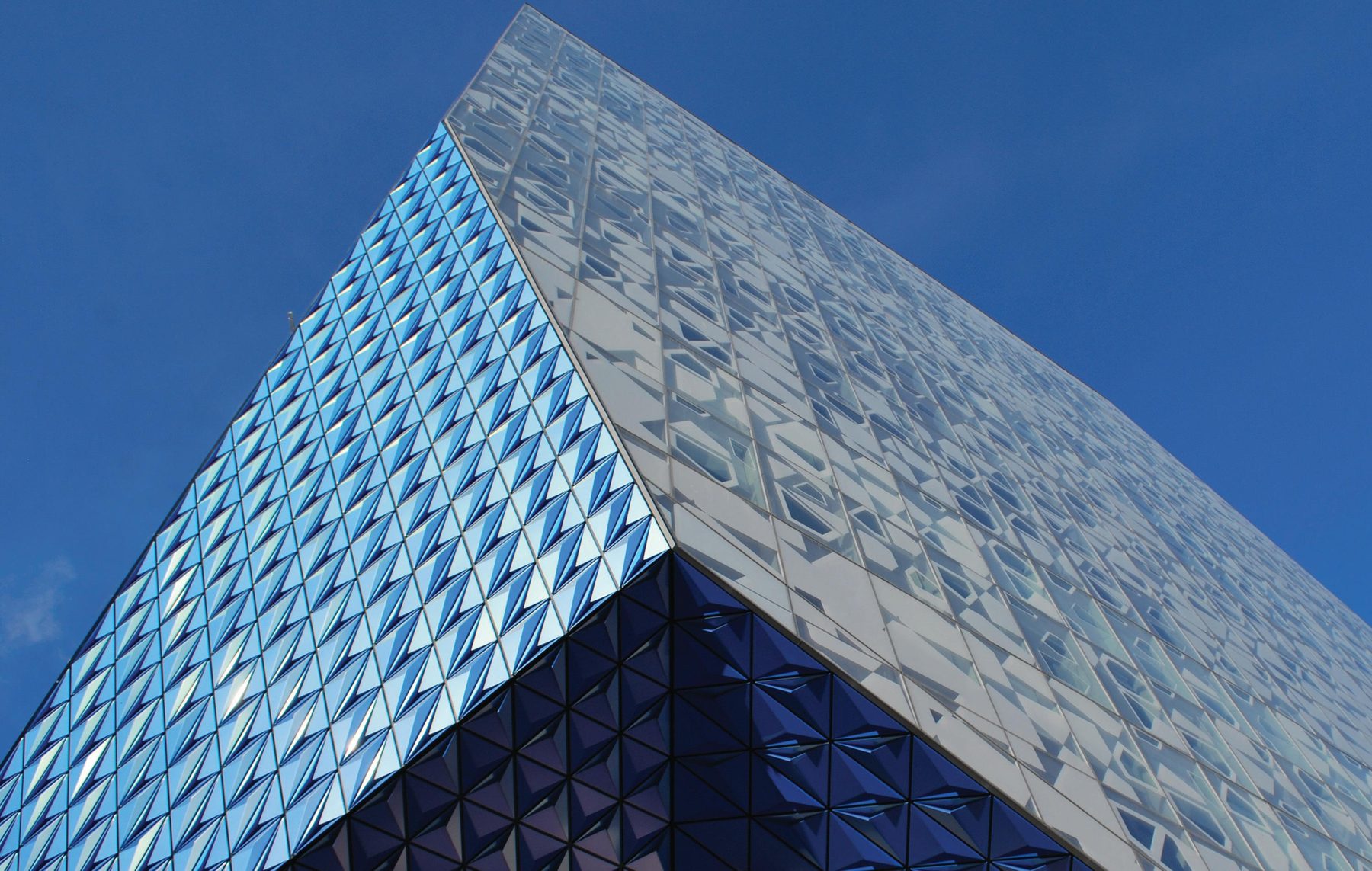
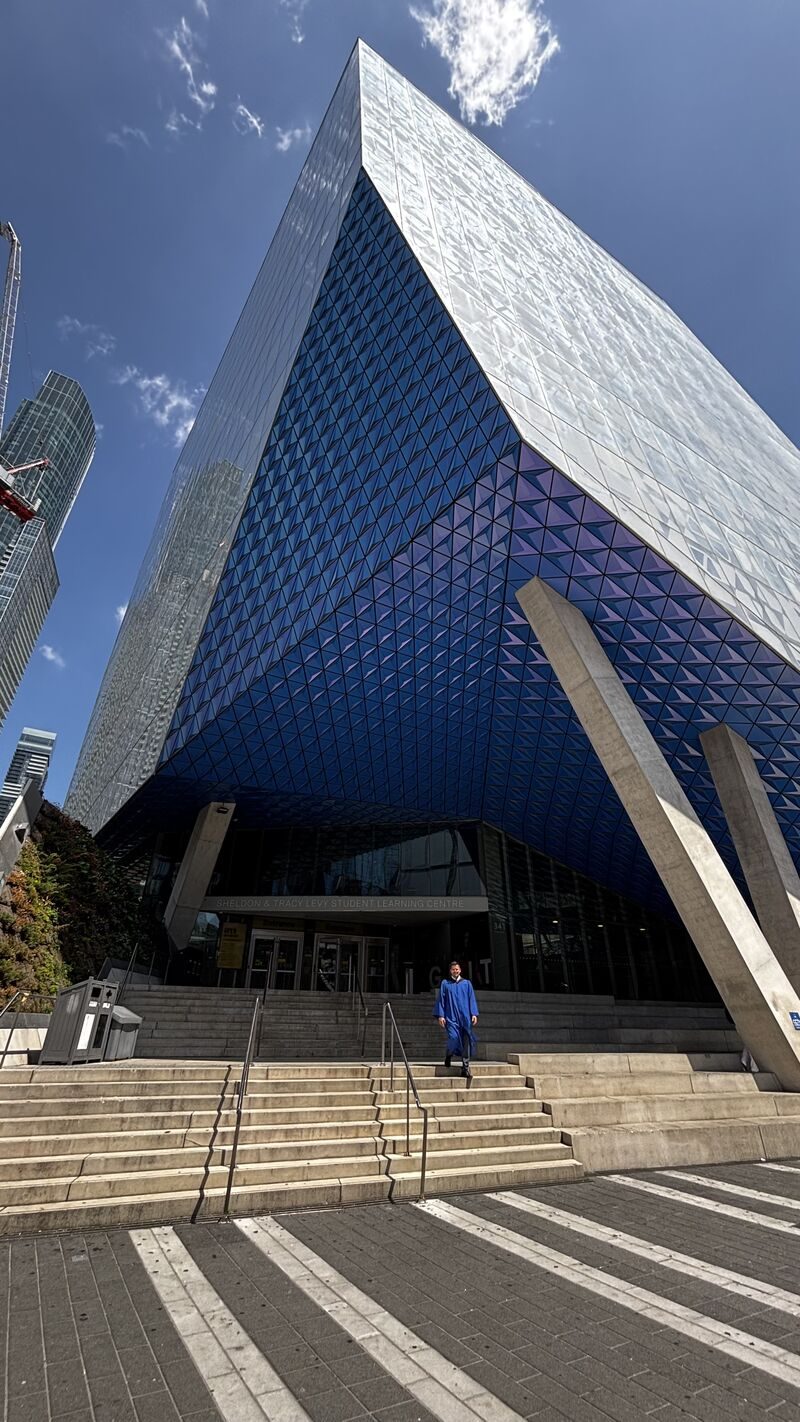
- High-Performance Metal Panels in Urban Towers: In Toronto, architects have specified rainscreen metal cladding systems with integrated continuous insulation, achieving both the striking visual impact of modern façades and the stringent thermal and fire performance required by local codes.
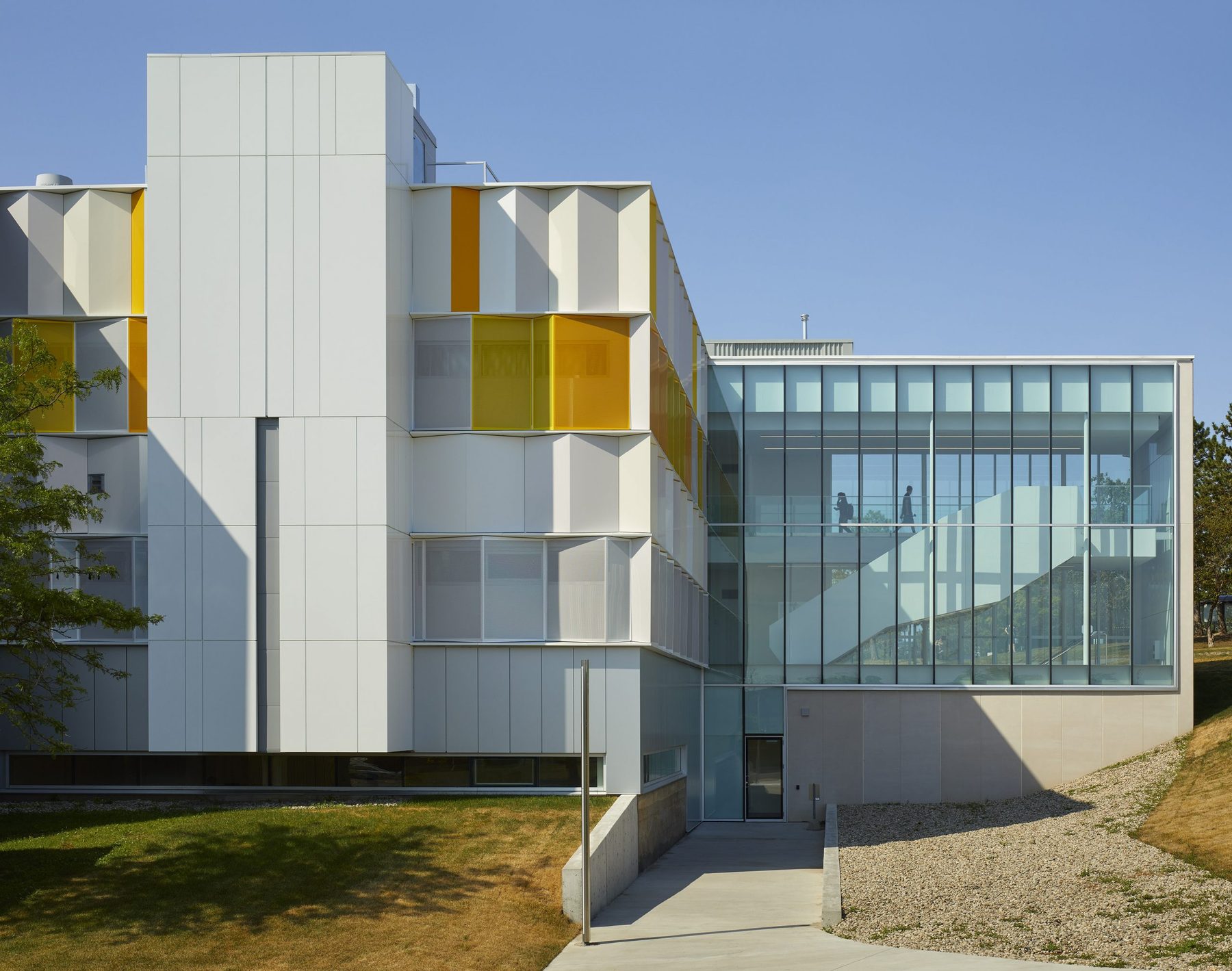
- Fiber Cement Panels for Educational Facilities: In British Columbia, schools have adopted ventilated fiber cement rainscreen systems, meeting seismic and moisture management requirements while offering a wide range of colors and textures to support unique architectural identities.
- Terracotta Façades in Civic Buildings: In Quebec, municipal projects have embraced terracotta cladding for its durability, low maintenance, and ability to meet fire and impact resistance standards, all while providing a timeless aesthetic.
- Composite Systems for Healthcare Campuses: In Alberta, hospital expansions have utilized composite metal and high-pressure laminate panels, selected for their hygienic surfaces, ease of cleaning, and compliance with both infection control and energy codes.
These real-world applications demonstrate how you can leverage advanced cladding systems for architects to deliver projects that excel in both performance and design innovation.
Staying Ahead: Continuous Learning and Industry Engagement
The field of exterior cladding specification is dynamic, with new materials, technologies, and regulatory changes emerging regularly. Staying informed and actively participating in industry forums ensures that your knowledge remains current and your specifications reflect best practices.
- Professional Development: Attend seminars, webinars, and workshops focused on building envelope science, fire safety, and sustainable design to expand your expertise.
- Industry Standards and Publications: Subscribe to reputable industry journals and follow updates from organizations such as the Canadian Standards Association (CSA), National Research Council (NRC), and local building authorities.
- Networking and Collaboration: Engage with peers, manufacturers, and consultants at conferences and trade shows to exchange insights and stay abreast of emerging trends in architectural design solutions.
- Product Demonstrations and Site Visits: Participate in manufacturer-led product demos and visit completed projects to see cladding systems in action and gather firsthand feedback on performance and maintenance.
Through continuous learning and active engagement, you strengthen your ability to specify exterior cladding systems that consistently meet the dual imperatives of design vision and building code compliance.
Future Directions in Exterior Cladding Specification
Looking ahead, the landscape of exterior cladding specification is poised for further evolution. Advances in material science, digital fabrication, and regulatory frameworks will continue to shape the possibilities available to you as a design professional.
- Emerging Materials: Innovations such as bio-based composites, ultra-high-performance concrete, and photovoltaic-integrated panels offer new opportunities for sustainable, high-performance façades.
- Adaptive and Responsive Systems: Cladding assemblies that respond to environmental changes—such as dynamic shading or self-cleaning surfaces—are gaining traction in high-performance building design.
- Enhanced Code Frameworks: Updates to Canadian building regulations are increasingly emphasizing energy performance, embodied carbon reduction, and resilient design, prompting you to integrate these criteria into your specifications.
- Integration with Smart Building Systems: The convergence of cladding, sensors, and building automation systems is opening avenues for real-time performance monitoring and adaptive maintenance strategies.
By embracing these future directions, you position yourself at the forefront of architectural innovation, ensuring that your exterior cladding specifications continue to deliver value, compliance, and distinction for every project you undertake.
Expert Guidance for Exterior Cladding Specification Success
When you’re navigating the intricate world of exterior cladding specification, expert guidance can make all the difference. The process demands a nuanced understanding of architectural design solutions, Canadian building regulations, and the latest innovations in cladding systems for architects. By working with a partner deeply versed in these areas, you gain not only technical support but also strategic insight that helps you achieve your project’s design vision without compromising building code compliance.
Whether you’re planning a high-profile civic building, an educational facility, or a complex institutional project, the right collaboration streamlines every stage—from conceptual design through construction administration. You benefit from material recommendations that address regional climate, regulatory context, and aesthetic goals. In addition, you receive detailed documentation, performance data, and code compliance support that ensures a smooth approval process and a resilient finished product.
How Collaborative Partnerships Enhance Cladding System Outcomes
Collaboration is central to realizing your creative ambitions while meeting the rigorous demands of Canadian building regulations. By engaging with knowledgeable cladding suppliers and technical consultants early in the design process, you can:
- Access a curated portfolio of high-performance cladding systems for architects, each vetted for code compliance and design flexibility.
- Receive technical submittals, shop drawings, and mock-up support that align with your project’s unique requirements.
- Gain clarity on regional nuances in building code compliance, from fire performance to rainscreen mandates and seismic considerations.
- Streamline coordination between architects, engineers, and installers to minimize errors and ensure constructability.
- Benefit from ongoing education on new materials, sustainability benchmarks, and advances in exterior cladding specification.
With the right partner, you’re empowered to make informed decisions that protect your design intent and deliver long-term value to building owners and occupants alike.
Innovative Architectural Design Solutions for Every Project
Innovation in architectural design is often realized at the building envelope, where materiality and detailing converge to define a project’s character. Today’s leading cladding systems for architects offer unprecedented freedom—allowing you to achieve bold forms, intricate patterns, and striking finishes while maintaining strict adherence to Canadian building regulations.
By selecting systems that have been tested and proven in diverse Canadian climates, you ensure your designs are not only visually compelling but also durable and energy efficient. Advanced rainscreen assemblies, high-performance insulation, and integrated vapor barriers are just a few of the solutions available to help you exceed code requirements and deliver exceptional results. When you have access to comprehensive technical support and product data, you can confidently specify assemblies that meet your performance and sustainability goals.
Supporting Your Vision with Technical Expertise and Regulatory Insight
Bringing your vision to life requires more than just innovative products—it takes deep technical expertise and a proactive approach to regulatory compliance. You need a resource that can interpret the nuances of Canadian building regulations, anticipate potential challenges, and provide clear, actionable recommendations throughout the exterior cladding specification process.
From the earliest stages of schematic design through construction documentation, you benefit from a collaborative review of material compatibility, fire and thermal performance, and installation detailing. This partnership extends to support during code review and construction, helping you address field conditions, answer inspector queries, and adapt to evolving project needs. The result is a streamlined workflow and a building envelope that performs as beautifully as it looks.
Advancing Sustainability and Performance in Cladding Specification
Today’s projects demand more than compliance—they require a commitment to sustainability, resilience, and occupant well-being. As you develop your exterior cladding specification, you have the opportunity to select systems that minimize environmental impact, enhance energy efficiency, and support healthy indoor environments.
- Choose materials with transparent environmental and health disclosures, such as EPDs and HPDs.
- Prioritize assemblies that deliver superior thermal performance, reducing operational energy use and greenhouse gas emissions.
- Specify robust, low-maintenance cladding systems that stand up to Canada’s diverse climates and reduce lifecycle costs.
- Explore options for recycled content, end-of-life recyclability, and responsible sourcing to contribute to green building certifications.
With the right expertise at your side, you can confidently pursue these sustainability objectives while ensuring full building code compliance and design excellence.
Streamlining Project Delivery with Proven Cladding Systems
Efficiency in project delivery is critical, especially when working under tight schedules or managing complex stakeholder requirements. By specifying proven cladding systems for architects that have a track record of successful installations in Canada, you reduce risk and avoid costly delays. Pre-engineered assemblies, comprehensive installation guides, and pre-approved test data all contribute to a smoother construction process and a higher quality finished product.
Access to robust technical documentation and responsive support teams means you can quickly resolve field issues, adapt to unforeseen challenges, and maintain momentum throughout the project lifecycle. The result is a building envelope that not only meets but often exceeds client expectations for durability, performance, and aesthetics.
Empowering You to Achieve Design and Compliance Objectives
Your expertise, creativity, and attention to detail are what set your projects apart. When you have access to a partner who understands the intricacies of exterior cladding specification, building code compliance, and architectural design solutions, you’re empowered to focus on what matters most—realizing your design vision and delivering value to your clients.
From initial concept to final inspection, you gain a trusted resource for technical advice, product selection, and regulatory interpretation. This collaborative approach ensures that every aspect of your cladding specification supports your goals for performance, sustainability, and architectural distinction.
Connect with a Partner Dedicated to Your Success
If you’re ready to streamline your exterior cladding specification and ensure your projects meet both your creative ambitions and the demands of Canadian building regulations, expert support is just an email away. Reach out to John Robis at info@etgcc.com to discuss your upcoming project, request technical resources, or schedule a consultation. Together, you can navigate complex code requirements, explore innovative cladding systems for architects, and achieve outcomes that inspire confidence and pride in every building you design.